
The Discipline Deficit: Why Being Busy Isn’t Building Anything
Blank diary space, endless time and no constraints…isn’t that what true freedom looks like when it comes to creativity? In reality, creativity without boundaries often becomes procrastination that’s benefited from good PR. We tell ourselves we are thinking. We attend the networking event but drift from conversation to conversation without intention. We block an hour in the diary for a strategic project, then spend most of it responding to emails before wondering where the time went. We promise ourselves we will start properly tomorrow, Monday, next quarter, someday one day…
The truth is simpler than we would like. Deadlines do not constrain creativity. They focus it.
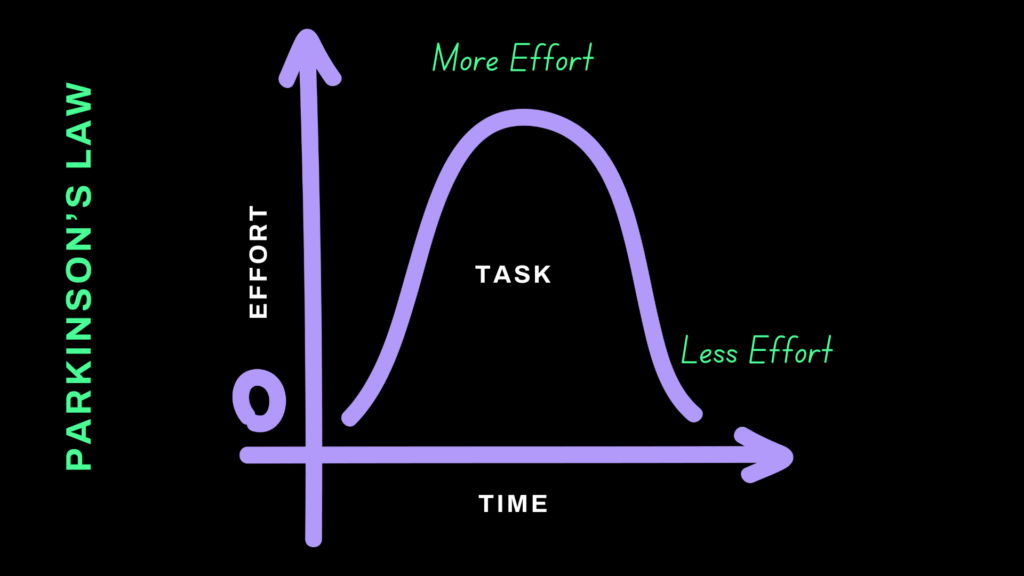
Parkinson’s Law tells us that work expands to fill the time available. Give a task a week and it will take a week. Give it a day and it will likely take a day. The difference is not capability. It is constraint. When time is limited, decisions get made. Edits are finalised. Drafts are sent. Calls are made. When time feels unlimited, we tweak, revisit and second guess. Perfectionism creeps in disguised as high standards (PSA: your time is never unlimited).
Self-imposed deadlines are particularly revealing because they expose how seriously we take our own commitments.
When no one else is applying pressure, do we still deliver?
Blocking time in your diary is a good start, but it is not the same as committing to an outcome. Holding an hour for ‘proposal work’ at 2pm means very little unless you know exactly what will be completed by 3pm.
Creativity thrives when the brief is clear and the window is defined. Think about the times you have produced your best work. It is rarely when you had all the time in the world. It is when the stakes were clear and the clock was ticking. Constraint forces prioritisation. It sharpens thinking. It prevents endless refinement from replacing progress. This extends far beyond traditional creative tasks.
All of them benefit from intention and defined parameters. Going to an event without a plan is not networking. It is time spent outside your home that you and/or your organisation is footing the bill for. Blocking an hour for strategy without a defined output is not deep work. It is calendar decoration.
The tasks that compound over time rarely provide immediate gratification. Following up consistently, building relationships before you need them, refining a point of view, improving your pitch. None of these deliver instant applause, yet done with discipline they create disproportionate impact. Deadlines, especially the ones you set for yourself, ensure these important but not urgent tasks actually get done.
A diary is not just a schedule. It is a contract with yourself. And too often, we break it. We move focus blocks because something urgent appears. We allow meetings to overrun. We treat strategic work as optional if we are not in the mood. We arrive at planned sessions without clarity on what success looks like. Then we wonder why we are working late, why the quality feels rushed and why resentment creeps in towards tasks that are actually important.
The downward spiral is subtle. Miss one focused session and you push it to tomorrow. Tomorrow fills up. The task grows heavier. By the time you eventually tackle it, it feels bigger than it ever needed to be. Discipline with time is not about rigidity. It is about respect. Respecting that the hour you set aside for relationship building deserves as much presence as a client meeting. Respecting that the time you allocate to strategy should produce a defined output, not just activity. Respecting that creative energy is finite and should be used deliberately.
Intentional execution within scheduled time is what separates busy from effective. Before you begin a booked session, ask yourself what will be completed by the end of it, what distractions need to be removed and what your best would look like. These are small questions, but they change behaviour, and behaviour changes outcomes.
Leaders have a responsibility here. If you want thoughtful work, you must model protected focus. If you want meaningful networking, you must encourage preparation and follow up. If you want innovation, you must create structured time where it is expected to happen. Creativity does not live in chaos. It lives in rhythm AKA ‘reaching flow state’ if you’re a Gen Z. When people know they have defined periods to think, create and connect, and when those periods are genuinely protected, quality improves and confidence follows.
This is not about squeezing more into your day. It is about extracting more from the time already there.
The calendar itself is neutral. It will not save you or sabotage you. Your behaviour within it determines the result.
Deadlines are not the enemy of creativity. Indifference is.
If you want better outcomes, start by tightening the agreements you make with your own time. Book the time. Define the outcome. Do the work.
At MCO Performance, we help individuals and teams design systems and habits that turn intention into execution. If you are ready to move from busy to deliberate, book a 15 minute discovery call and let’s explore what focused performance could look like for you.